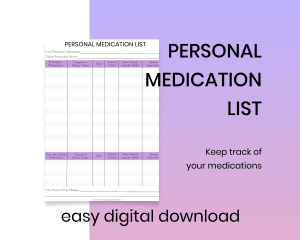
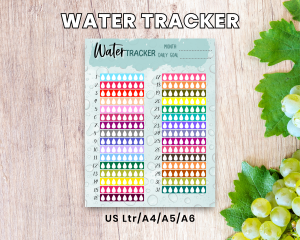
Accountability – Habit trackers provide a visual reminder of your goals and routines, holding you accountable to stick with a certain habit or a caregiving task.
Increased motivation – Seeing progress is a great way to build momentum. Each checkmark, filled in circle, sticker, etc. motivates you to keep up with a habit, helping to reinforce positive behavior over time. Speaking personally, I see progress myself when I look at my arms in a mirror and can see that I’m starting to lose the “bat wing” flaps because I’m working out more with weights.
Clear progress tracking – Trackers give you a clear view of how often a task or habit is completed, helping you identify patterns or areas that need improvement. Yeah, when you start seeing skipped spaces on your chart, then you know things are off track!
Improved focus – With so many caregiving responsibilities, it’s easy to get bogged down and stressed out. A habit tracker helps narrow down priorities, keeping focus directed on a routine or self-care habit.
Reduced stress – By organizing tasks and/or habits in a tracker, it lessens the amount of things a caregiver has to remember, reducing stress and mental overload.
Better time management – Trackers can help you allocate time more efficiently, ensuring important tasks are completed without getting lost in the shuffle of the day.
Encourages consistency – Consistency is key. Habit trackers promote daily routines, making it easier to stick with helpful habits like exercise, meditation or calming activities.
Self-Awareness – Tracking habits over time provides insight into your behavior and well-being.
Health and Wellness – This is a big one. Trackers are particularly helpful for monitoring physical and mental health habits such as sleep, hydration, exercise, mindfulness, which are crucial for both caregivers and those receiving care.
Data – If you’re monitoring your loved one’s habits, tracking offers data on habits that can be helpful when communicating with healthcare professionals.
Visual Reward System – This kinda goes back to #2 and 3. There’s a sense of achievement when you visually see your progress, creating a built-in reward system that encourages you to maintain positive habits or routines. Think positive reinforcement here!
Enhanced Discipline – Consistent tracking can help you develop self-discipline and willpower.
Habit Formation – Regular tracking can help solidify new habits and make them a part of your daily routine.
Behavior Modification – Identifying negative habits through tracking can help you develop strategies to modify them. Hmm, probably should track the number of times I eat a handful of the bit size Reese’s peanut butter cups while I work at my desk in the evening! That’s definitely not a healthy habit.