This post may contain affiliate links, meaning if you click on it and make a purchase I'll receive a small commission at no cost to you. Read the full disclosure here.
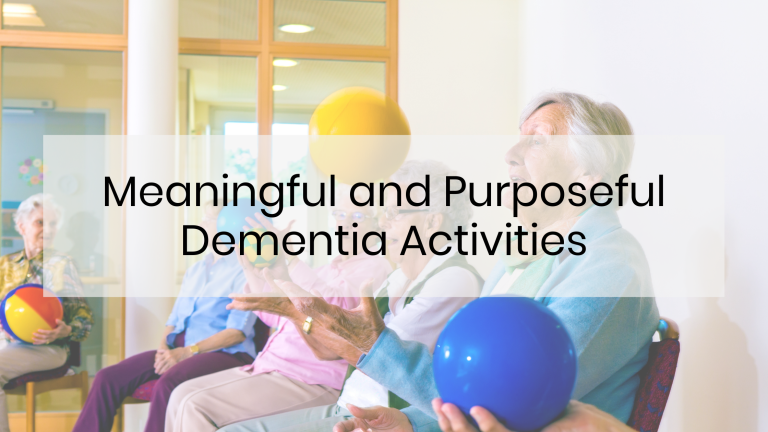
Here are some meaningful and more purposeful dementia activities for residents in a memory care facility.

A reader commented on one of my blog posts recently. She mentioned that she worked in a memory care unit and was looking for ways to make the daily living of the residents more complete than just eating and sleeping.
So I did some digging and came up with this roundup of ideas.
But, before we go into the list, let’s get this out of the way first.
These activities may sound great, but there are some considerations to be aware of –
The safety of the resident
Can the resident physically handle the activity
The supervision level required (do you have enough staffing to watch over everybody)
Can all/some residents handle this activity – is their cognitive level appropriate
These kinds of activities will elicit that connection to familiar routines they might have once had.
Fold towels, napkins
Set the table
Dust around the facility (or main room)
Sew holes in socks or other clothing
Arrange dried flowers in vases to put around the area
Help with simple food preparation
Maybe you have some residents that enjoyed cooking and baking.
Wash vegetables
Peel carrots and potatoes
Help with baking or decorating cookies
Make some kind of No-Bake Cookies, Guacamole for a Taco Tuesday night!, Garlic Bread, Fruit Salad
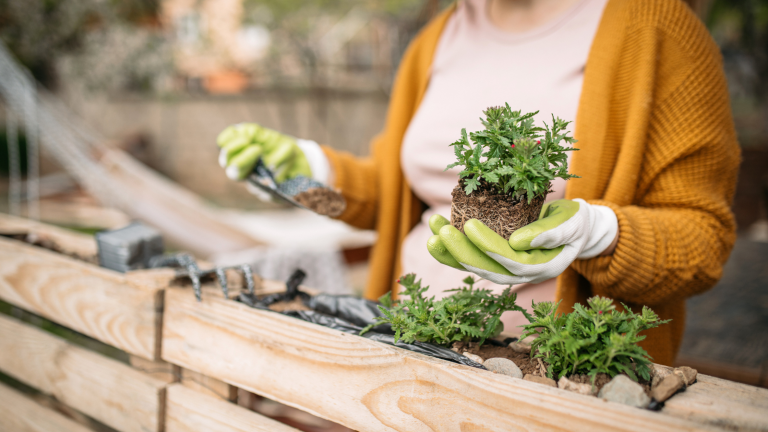
Set up a garden outside in plant beds or in raised plant beds.
I think this would be a great purposeful activity as long as you had the facilities or the room in which to do it. Also whether or not you had access or the capability to let the residents go outside (assuming that the risk of them leaving has been taken care of).
Decide and plan on what seeds/plants
Planting (if capable)
Weeding
Watering
Cutting and arranging plant bouquets
This kind of activity lets them connect with nature, provide sensory stimulation and fosters a sense of growth and care.
It’s also a therapeutic and calming activity.
Again, if you have the ability – if you grow vegetables you have the added benefit of “garden to table” and the additional activities sowing their own crop provides.
If you don’t have the capability of an outside garden, when I taught preschool we had a huge water table we would switch out with sand or other items. You could fill one of these with dirt and let the residents “Plant” in the garden. (You might have to watch that a resident doesn’t eat the dirt.) And don’t forget a drop cloth underneath!
Pets provide companionship, reduce anxiety and foster a sense of connection.
Can you have a local shelter come in with dogs? Or better yet, have a therapy dog right in the facility!
Other ways –
Fish aquarium so residents can watch the fish*
Bird in a cage
Of course you’ll have to make sure that animal food is not within reach of the resident or that they get their hands in the cages.
*A screen saver of a fish aquarium can be an alternative or look for a YouTube video of a fish aquarium.
Here’s where you can tap into a person’s non-verbal form of communication and stimulate their cognitive function. It also gives them a way to express their emotions.
Painting
Drawing
Sculpting with clay
Other simple craft projects (think holiday related)
Is there someone that can come in and give a simple painting lesson?
I like the idea of sculpting with clay as that activity uses their small motor skills. It doesn’t have to be clay. It could be play-dough and you could take it one step further and have residents help you make the play dough then they use it!

Depending upon what kind of music you play, you can get a wide range of emotions.
Listen to favorite songs
Have the residents sing along
Encourage gentle movement or dance to the music
Give them a scarf or something to wave or move around to the music
Play simple instruments (remember the recorders from school?)
Attend a musical performance or invite people in to play for the residents
I put this one right below music as you could add the light exercise to music. I would suggest that you consult the proper people before doing this yourself or have someone that works with older people come in to have them exercise.
We all know that exercise promotes physical health, often improves mood and reduces agitation.
Gentle stretching exercises
Exercises while seated like chair yoga
Tai chi
Go for walks outside
For those residents that were used to attending church services, these kinds of activities may provide comfort and a sense of peace.
Attend religious services
Listen to religious music
Sing church hymns and spiritual music
Read from the Bible

Hopefully these will tap into long-term memories, provide for story sharing and reinforce their sense of identity.
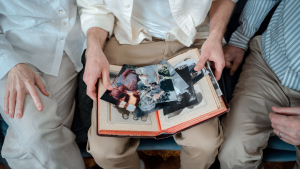
Look through old photo albums
Listen to music from their youth
You could hold up a picture of a past event in history and ask if they know what it was, where were they when it happened, what did they think, what do they remember of it, and what was the reaction from their parents. Think of questions that are likely to have them reach back into that memory and talk about it.
You could do the same thing with objects such as a hammer. That might get your male residents to open up and talk about things they built.
Have a storytelling time with you as the leader and incorporate the senses. (You might need another person to help too!)
Combine visual aids (pictures, objects), auditory elements (music, sound effects), different textures and add in some smells.
For example, a story about a farm could involve images of animals, sounds of farmyard animals, textures of hay and wool, and the scent of fresh hay.
You could give a few of the residents a picture of an animal. Decide which animal should be the main character. Then have them create a story around the main character with all the other animal characters participating in the story.
Take it a step further and have a person record and/or write down the story as it’s made up. Type out the story on paper, add pictures, put it into a book format and celebrate the book after it’s finished. They may not remember the story but they’ll have a book they wrote to look at later!
One could read aloud to a small group
Have audiobooks available for listening

Create Themed Sensory Bins/Boxes
Beach theme – include sand, seashells, somehow incorporate a salt water/ocean spray scent
Garden theme – potting soil, dried flowers, seed packets, smooth stones
Holiday theme – pinecones, cinnamon sticks, fabric scraps with seasonal patterns
You could do a box on building materials, different types of craft supplies or a box of fabric swatches like silk, burlap, wool, and linen.
I would look up ideas from early childhood and preschool websites for other types of bins or learning centers.
Pass around a cotton ball with a type of essential oil on it – lavender, citrus, peppermint, etc.
Discuss the scents and ask about their memories and feelings about the scent.
You can use the oils in diffusers around the room as well.
Being careful about food allergies, you can create some food items to have the residents taste to generate a discussion.

Identify simple tasks that can benefit others
For example, sorting and organizing craft supplies for a children’s program
Helping to assemble care packages for those in need
Folding towels for a local animal shelter
Walking dogs and playing with the animals at the local animal shelter
Helping to put donated coats onto hangers for a Coats for Kids project
Record the individual’s stories and memories through audio or video recordings or by writing them down.
I could see this for stories of those men and women who are Veterans to get their stories if they are inclined to do so.
Create opportunities for individuals with a particular skill or talent to share it with others.
A skilled knitter could teach others simple knitting techniques.
A former carpenter could show people how to build small items.
Facilitate interactions with children and young adults.
I know there are often groups of toddlers and preschoolers that will visit with the residents but why don’t you take a few residents to the day care facility? Especially if it’s one that is in the same complex as the memory care facility.
Residents could read stories, play games and spend time together with the young ones.
Game nights
Movie nights
Ice Cream Socials – if you have old fashioned ice cream maker, some residents might remember this activity and may enjoy the taste of home made ice cream
Karaoke nights or singalongs
For additional help I would highly suggest you check out this Teepa Snow video below. Listen to how Teepa suggests that you talk to the resident and get the resident to do something.
You might also like this –
McGill University Dementia Education Program Under Dementia Resources there is a Dementia Activity Booklet that you can download for ideas
Outdoor Activities for Seniors with Memory Loss
Fall Activities for People with Dementia